


Cigar Wrapper Types Explained: A Beginner's Guide to Flavor

If you have ever stared at a wall of cigars and wondered why two smokes from the same brand can taste completely different, the answer often comes down to one thing: the wrapper. Understanding cigar wrapper types is one of the fastest ways to shop smarter and predict how a cigar will taste before you ever light it. The wrapper is the single leaf wound around the outside of a cigar, and while it may look like simple packaging, it carries a surprising amount of a cigar's flavor and character. In this beginner's guide, we break down the most common wrapper varieties, what each one tastes like, and how to pick the right one for your palate.
What Is a Cigar Wrapper?

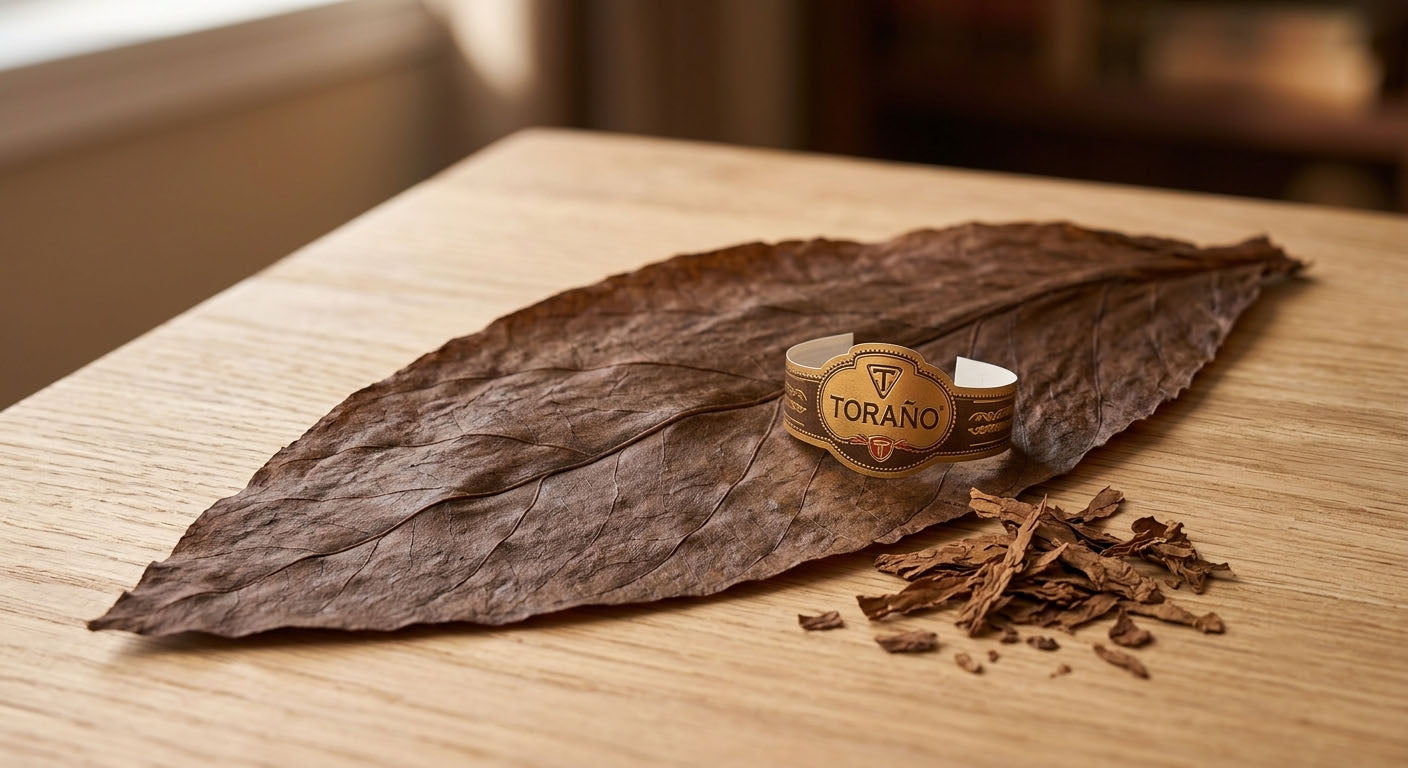
A premium cigar is built from three parts: the filler (the tobacco at the core), the binder (the leaf that holds the filler together), and the wrapper (the outermost leaf you actually see and touch). The wrapper is the most expensive and carefully cultivated component, chosen for its appearance, elasticity, and taste. Because it is the last layer of tobacco the smoke passes through, and because it makes up a meaningful share of the cigar's surface, it can influence anywhere from a little to a great deal of the overall flavor. Wrappers are grown all over the world, and where and how the leaf is grown shapes its color, oil content, and sweetness.
Why the Wrapper Matters So Much

Two cigars can share the exact same filler and binder yet deliver a completely different experience simply because of the wrapper. A pale, silky wrapper tends to read as smooth and creamy, while a dark, oily wrapper often brings deeper, sweeter, and richer notes. Wrapper color is also a rough guide to strength and body, though it is not a perfect rule. Learning to read the wrapper gives you a head start on knowing whether a cigar will feel gentle and mellow or bold and full. If you want to go deeper on the mild-to-full spectrum after this, our cigar strength guide pairs nicely with what you learn here.
The Most Common Cigar Wrapper Types
Here are the wrapper varieties you will encounter most often, moving roughly from lightest and mildest to darkest and boldest.
Connecticut Shade

Grown under cheesecloth tents to shield the leaf from direct sun, Connecticut Shade is the classic light golden wrapper. It is prized for being smooth, creamy, and approachable, with gentle notes of cedar, almond, and toasted bread. This is the go-to wrapper for beginners and for relaxed morning smokes. Arturo Fuente's naturally wrapped cigars, like the Chateau Fuente Natural, are a great example of this easygoing style.
Habano

Descended from Cuban seed and now grown widely in Nicaragua, Ecuador, and Honduras, Habano wrappers are darker and noticeably spicier than Connecticut. Expect pepper, earth, and a touch of sweetness with medium to full body. If Connecticut is the easy starter, Habano is where many smokers graduate as they chase more flavor and kick.
Corojo

Originally a Cuban varietal, Corojo is known for a robust, peppery profile with notes of leather, spice, and cocoa. It typically sits in the medium-to-full range and appeals to smokers who want punch and complexity without going all the way to the darkest wrappers.
Sumatra and Cameroon

These African and Indonesian-style wrappers offer a middle path. Cameroon, grown in Central Africa, is famous for a slightly toothy texture and sweet, nutty, subtly spicy character. Sumatra tends toward earthy, mildly peppery flavors. Both are excellent for smokers who find Connecticut too tame but Maduro too heavy.
Sun Grown

As the name suggests, Sun Grown leaves are cultivated in direct sunlight, which thickens the leaf and concentrates flavor and oils. The result is a richer, more robust smoke than a comparable shade-grown wrapper, often with notes of sweetness, spice, and roasted coffee. Fuente's Chateau Sun Grown shows off how much depth a sun-grown leaf can add.
Maduro

Maduro is not a specific seed but a process: leaves are aged and fermented longer and at higher temperatures until they turn a deep brown or near-black. This coaxes out natural sugars, producing rich, sweet notes of dark chocolate, espresso, dried fruit, and molasses. Maduros can be surprisingly smooth despite their dark color, though many lean fuller in body. The Chateau Fuente Maduro is a classic entry point. To compare Maduro directly against lighter natural wrappers, see our Maduro vs. Natural guide.
Oscuro and Candela

At the extremes you will find Oscuro, an even darker and more heavily fermented cousin of Maduro with intense sweetness and body, and Candela, a bright green wrapper cured quickly to lock in chlorophyll for a grassy, mild, slightly tangy flavor. Both are less common but worth trying once your palate is dialed in.
How Wrapper Color Relates to Flavor

As a general rule, lighter wrappers trend milder, creamier, and drier, while darker wrappers trend sweeter, richer, and fuller. Color is a helpful shorthand, but it is not a guarantee, since blend, filler, and construction all play a role too. Use wrapper color as a starting point, then let your own taste be the final judge. Keeping a simple note of which wrappers you enjoy will make your next purchase far easier.
How to Choose the Right Wrapper for You
If you are new to cigars, start with a Connecticut Shade for a smooth, forgiving introduction, then branch into Habano or Sun Grown as you build tolerance and curiosity. If you already enjoy bold coffee or dark chocolate, a Maduro may feel right at home. The best approach is to try a range and pay attention to what your palate rewards. A sampler that spans several wrappers is the easiest way to taste the differences side by side.
Explore Wrappers at Santa Monica Cigars
Now that you can read a wrapper like a pro, the fun part is tasting the differences for yourself. Browse our full lineup of premium cigars across every wrapper style in the All Cigars collection, or explore bolder, richer options in our Bold collection. Whether you are chasing creamy Connecticut smoothness or deep Maduro sweetness, the team at Santa Monica Cigars is here to help you find your next favorite smoke.
This article is intended for adults of legal smoking age (21+). Please enjoy cigars responsibly.